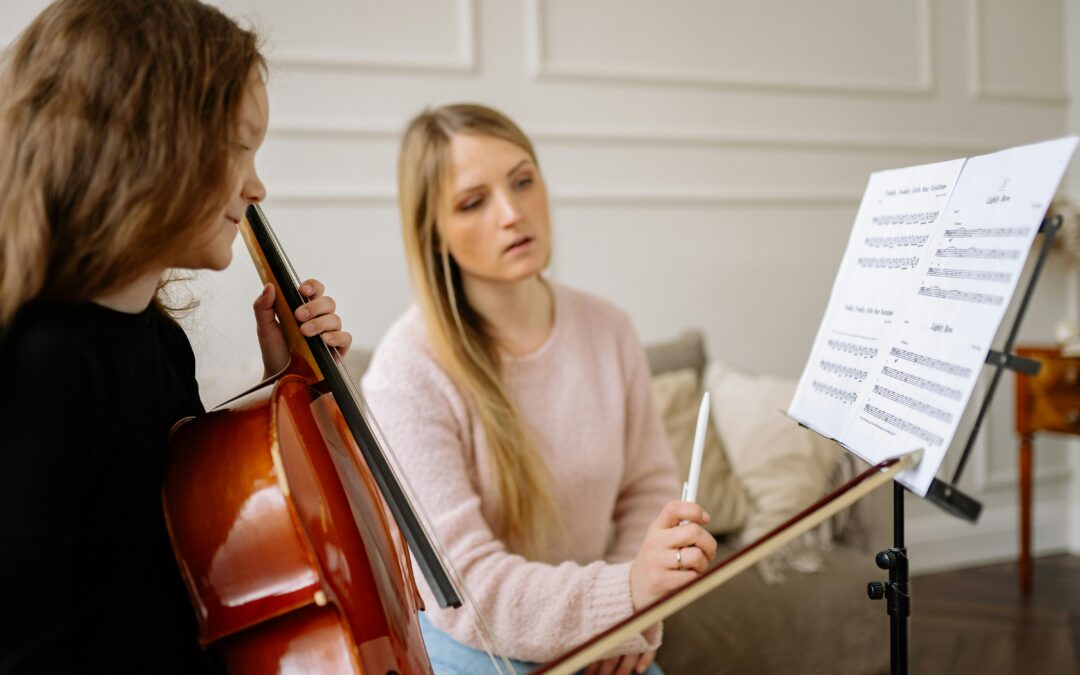
Your child is ready for advanced music lessons when they consistently master new pieces ahead of schedule, show a deep interest in music theory, and express a desire for more challenging repertoire. Moving to an advanced level is a shift from learning basic mechanics to focusing on artistic expression, complex technical skills, and professional-grade performance habits.
Is Your Child Bored with Their Current Practice?
A child who feels unchallenged often stops practicing or rushes through their assignments with little care. When a student reaches a certain level of proficiency, the easy wins of beginner books no longer provide the dopamine hit of achievement. At The Music Workshop, we notice that boredom is rarely a lack of interest in music; it is usually a sign that the current material lacks the meat required to keep the brain engaged.
If your child is playing their songs perfectly but seems checked out, they aren’t losing their passion—they are losing their challenge. Advanced music lessons introduce complex rhythms and polyphonic structures that require higher levels of cognitive load, which actually cures the boredom that leads many kids to quit.
Do They Start Editing the Music?
One of the most overlooked signs of a budding advanced musician is when a child begins to experiment with the notes on the page. You might hear them changing the ending of a song, adding their own flourishes, or even trying to play a piece in a different key just for fun. This is a sign of creative maturity.
In basic lessons, students focus on accuracy—hitting the right note at the right time. In advanced music lessons, the focus shifts to interpretation. If your child is already trying to make the music their own, they have moved past the mechanical stage of learning and are ready for a teacher who can guide their improvisational and compositional skills.
Is Theory Becoming a Hobby?
Most kids tolerate music theory as a necessary chore, but advanced candidates often start asking why instead of how. They want to know why a certain chord sounds sad or how a specific scale fits into a song they heard on the radio. This intellectual curiosity is a massive indicator that they are ready for a more rigorous curriculum.
Advanced music lessons at The Music Workshop dive deep into the architecture of sound. When a student starts recognizing patterns in music without being prompted, they are ready to study harmony, counterpoint, and advanced analysis. This move helps them understand music as a language rather than just a set of instructions.
The Mastery of Sight Reading
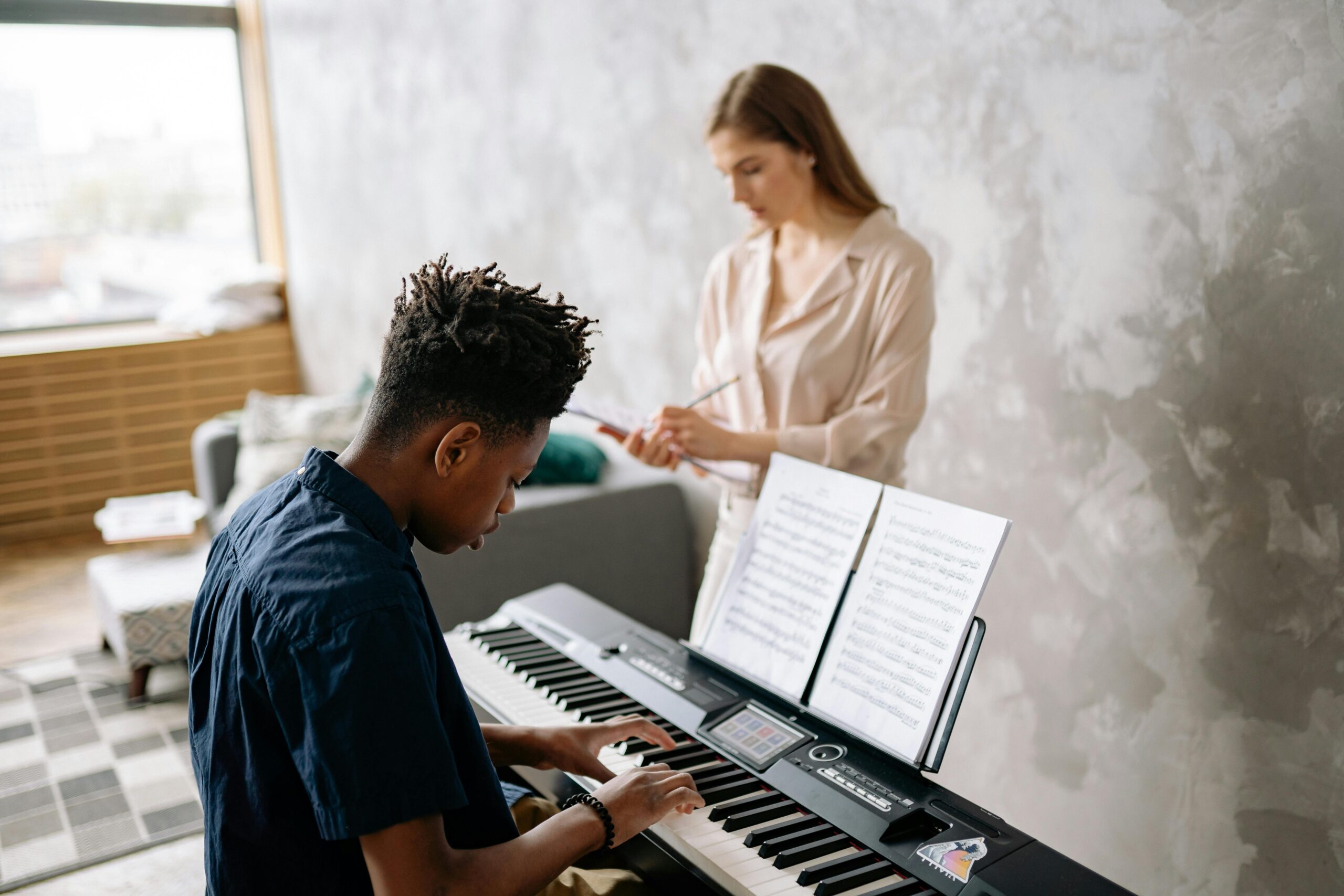
Take a look at how your child approaches a brand-new piece of music. Do they struggle for weeks to decode the notes, or can they sit down and play a basic version of it on the first try? Rapid sight-reading ability is a clear technical green light.
When the language of music becomes fluent, the student no longer needs to spend lesson time on note-reading. Instead, advanced lessons allow them to spend that time on:
- Tone Production: Learning how to create a professional sound.
- Dynamics: Mastering the subtle art of loud and soft for emotional impact.
- Articulations: Using staccato, legato, and accents to tell a story.
They Seek Out Music Independently
If your child is looking up performances on YouTube, creating their own playlists of classical or jazz greats, or talking about the vibe of a specific composer, they have developed a musical identity. Beginners play because they are told to; advanced students play because it is part of who they are.
At this stage, a standard 30-minute lesson is usually not enough time to explore their growing interests. Advanced music lessons often require longer sessions to accommodate in-depth discussions about music history and performance practice. The Music Workshop fosters this independence by pairing students with mentors who treat them like junior colleagues rather than just pupils.
Physical Dexterity and Ease
Advanced playing requires a specific kind of physical relaxation that beginners lack. If you watch your child play and their hands move with a fluid, effortless grace, their muscle memory has peaked for their current level. They are no longer fighting the instrument.
Advanced music lessons introduce technical exercises—like Hanon for piano or advanced scales for violin—that build the specialized strength needed for virtuosic pieces. If your child’s current music doesn’t push their physical limits, their progress will stagnate. Transitioning to a higher level ensures their physical growth keeps pace with their mental growth.
Are They Interested in Performing?
While some kids are shy, many students ready for the next level start looking for an audience. They might want to join a youth orchestra, start a band, or enter competitions. These goals require a different level of preparation than a standard yearly recital.
Advanced coaching focuses on Performance Science, which includes managing stage fright, understanding stage presence, and learning how to recover from mistakes in real-time. If your child has high-stakes musical goals, they need a teacher who has been there and can provide the professional polish required for the stage.
Common Pitfalls: Why Waiting Can Hurt Progress
Many parents worry that moving to advanced music lessons will be too much pressure. However, the opposite is often true. Keeping a gifted or high-achieving student in a beginner-level environment causes musical burnout.
When the pace of learning is too slow, the student stops associating music with growth and starts associating it with repetition. By the time parents realize the child is ready to move up, the child may have already decided they want to quit. Making the jump to an advanced program at The Music Workshop re-energizes the student by validating their hard work and giving them a new peak to climb.
What to Expect in an Advanced Curriculum
Advanced lessons are different in structure. Expect fewer stickers and more critique. The relationship becomes a partnership. Students are often expected to:
- Set Their Own Goals: Deciding which pieces they want to master for their portfolio.
- Self-Correct: Identifying their own mistakes during practice sessions.
- Analyze Literature: Reading about the lives of composers to understand the context of the music.
Frequently Asked Questions
How do I know if my child is gifted or just a fast learner?
Giftedness usually involves an emotional connection to the music, while fast learning is about technical speed. Both types of students benefit from advanced music lessons, as they both require a faster curriculum to stay engaged and avoid boredom.
Will advanced lessons take up more time?
Yes. Advanced students usually need to practice 45–60 minutes a day to maintain their skills. However, because they enjoy the music more at this level, this practice often feels less like a task and more like a hobby or creative outlet.
Should we change teachers when moving to an advanced level?
Not necessarily. The teachers at The Music Workshop are trained to teach all levels. However, some teachers specialize in artist prep or college auditions. It is best to have an honest conversation with your current instructor about your child’s trajectory.
Conclusion
Recognizing the signs that your child is ready for the next step is the best way to support their musical journey. From an increase in creative editing to a hunger for complex theory, these indicators show that your child has outgrown the basics. Moving to advanced music lessons ensures that their passion for music continues to thrive in a challenging, supportive environment.
If you see these signs in your young musician, The Music Workshop is here to help. Our instructors specialize in identifying student potential and crafting custom paths that bridge the gap between intermediate playing and true mastery. Contact us today for more information.