Performance anxiety is a common hurdle that many young musicians face when they first start their journey. Standing in front of an audience requires a specific kind of courage that goes beyond just knowing the notes on a page. Parents often find that music lessons provide the perfect environment to practice this bravery in a safe and supportive setting. By breaking down the performance process into small, manageable steps, a child can turn their nervous energy into a source of focus and excitement.
Does Playing Piano Build Confidence in Groups?
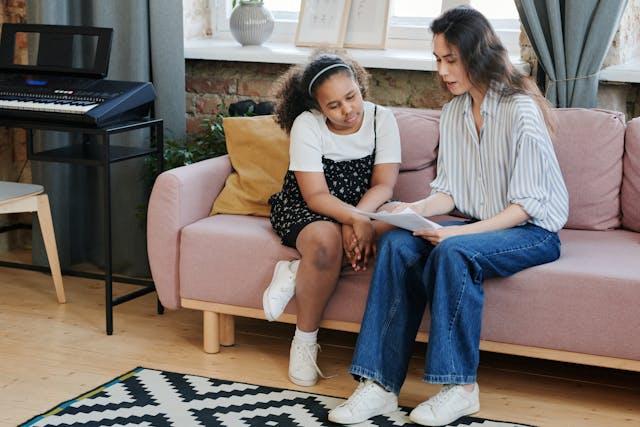
Piano students often start their musical journey by playing for their instructor or immediate family members. This instrument is a great foundation for building confidence because the student has a clear, visual map of the music right in front of them. Most teachers suggest starting piano at age six or Grade 1, which allows the child to develop social comfort alongside their musical skills. As they master short pieces, they begin to see themselves as capable performers who can handle the pressure of being watched.
The physical act of sitting at a piano provides a sense of grounding that helps a child stay calm during a recital. They learn to focus on the feel of the keys and the sound of the strings rather than the eyes of the audience. Regular piano practice at home helps a child realize that mistakes are just part of the learning process. This shift in mindset reduces the fear of failure and encourages them to take more creative risks in other areas of their life.
Why Are Vocal Lessons Great for Public Speaking?
Vocal training is one of the most direct ways to help a child find their voice and project it with authority. Unlike other instruments, the voice is internal, which means a singer must be completely comfortable with themselves to perform well. The best time to start formal vocal training is around age seven or eight, once the child can follow specific breathing techniques. These lessons teach a student how to control their breath and steady their heart rate, which are the same skills needed for public speaking.
Singing in front of others forces a child to maintain good posture and make eye contact, even when they feel nervous. They learn how to use their body to support their sound, which creates a physical sense of strength. Many parents notice that after a few months of vocal lessons, their children are much more willing to volunteer for presentations at school. The ability to stand tall and speak or sing clearly is a high-value skill that serves a child long after their music lesson ends.
Can Violin Performances Improve Social Resilience?
Violin students often participate in group classes or ensembles, which takes some of the individual pressure off the performer. Playing in a group teaches a child that they are part of a team where everyone supports each other to create a beautiful sound. Many educators recommend beginning the violin early to take advantage of the child’s natural lack of self-consciousness. Early exposure to group performance helps a student view the stage as a fun place to be rather than a scary one.
Because the violin requires precise movements and constant tuning, a student learns how to stay focused even when they are under stress. If a string sounds slightly off, they learn how to adjust on the fly without panicking. They learn that they can handle unexpected situations with grace and continue their performance without missing a beat.
How Do Guitar Lessons Encourage Creative Courage?
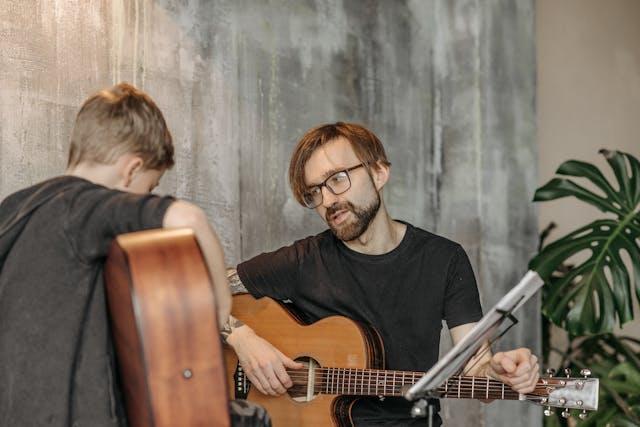
A guitar is an instrument that often leads to songwriting or improvisation, which gives a child a sense of ownership over their music. When a student plays something they created themselves, the performance feels more like a personal expression than a test. Children usually start guitar lessons once their hands are large enough to form basic chords. This creative freedom helps them build a strong musical identity that can act as a shield against performance anxiety.
Learning to play the guitar also involves understanding different styles and rhythms, which keeps the brain engaged and distracted from nervous thoughts. A student might focus on the “groove” of a song, which helps them relax their muscles and breathe more naturally. The guitar is a popular instrument for social gatherings, giving kids plenty of low-stakes opportunities to play for friends. These informal “living room concerts” are the best way to prepare for larger stages in the future.
What Role Do Drums Play in Releasing Tension?
Drumming is a highly physical activity that allows a child to channel their nervous energy into a powerful rhythmic output. Instead of trying to keep their body still, a drummer uses their whole body to play, which is a natural way to release stress. Most instructors suggest starting drum lessons at Grade 1 to ensure the child has the coordination for the full kit. The loud, bold nature of the drums helps a shy child take up space and feel more confident in their presence.
A drummer is the heartbeat of any musical group, which gives the student a sense of leadership and responsibility. They learn that the rest of the band is relying on them to keep the time, which shifts their focus away from their own anxiety and onto the needs of the group. This outward-facing focus is a great tool for overcoming self-consciousness. By the time they finish a high-energy drum session, most students feel a sense of accomplishment that washes away any previous fears.
How Do Brass Instruments Teach Breath Control?
Brass instruments like the trumpet or trombone require a massive amount of physical “air power” to produce a sound. To play a single note, a student must take a deep, controlled breath, which is the body’s natural way to calm the nervous system. The best time to start brass lessons is typically once the child has the lung capacity to sustain long notes. Learning how to control their breath helps a student stay calm and steady, even when they are standing on a stage.
The bold, bright sound of a brass instrument demands attention, which helps a child overcome the fear of being heard. They cannot hide behind a quiet sound; they must commit to every note they play. This level of commitment builds a “do it anyway” attitude that is vital for success in any field. As they hear their own strength through the bell of their instrument, they begin to believe in their own ability to succeed under pressure.
Why Do Woodwind Lessons Support Mental Focus?
Woodwind instruments like the flute or clarinet require a student to focus on complex finger patterns and precise tongue movements. This high level of detail requires so much mental energy that there is little room left for the brain to dwell on nervous thoughts. The focus required to play a difficult woodwind passage acts as a form of “active meditation” that clears the mind and settles the nerves.
Reading music for a woodwind instrument involves looking ahead and anticipating what comes next, which prevents the student from getting stuck on a past mistake. They learn to keep moving forward, which is a key strategy for any successful performer. Parents often find that the quiet discipline of woodwind practice helps their children become more observant and patient. This mental toughness allows them to walk onto a stage with a clear plan and the confidence to execute it.
FAQ
What Should I Do If My Child Cries Before a Recital?
It is important to validate their feelings without letting the fear stop the performance. Remind them that even professional musicians get “butterflies” before a show. Sometimes, practicing in their recital clothes at home can make the actual event feel more familiar and less threatening.
Is It Okay to Skip a Performance If the Anxiety Is Too High?
While you don’t want to force a child into a traumatic experience, skipping entirely can sometimes reinforce the fear. Try to find a compromise, such as playing a duet with their teacher or performing for a smaller group of friends first. This builds the “courage muscle” without overwhelming them.
How Can I Help My Child Prepare for the Week of a Show?
Focus on “mock recitals” where the child goes through the entire process, including bowing and announcing their piece. Keep the feedback positive and focus on their effort rather than a perfect performance. Ensuring they get plenty of sleep and a good meal before the show also helps their physical resilience.
Wrapping Up Your Search
Choosing the right educational partner requires looking past basic activity or childcare. At The Music Workshop, we offer deep industry knowledge, professional instructors, and proactive year-round music planning. We actively work to improve your child’s cognitive skills while keeping them fully engaged with their specific instrument and goals. If you are ready to fix your music strategy, contact us today to schedule your first advisory meeting.