
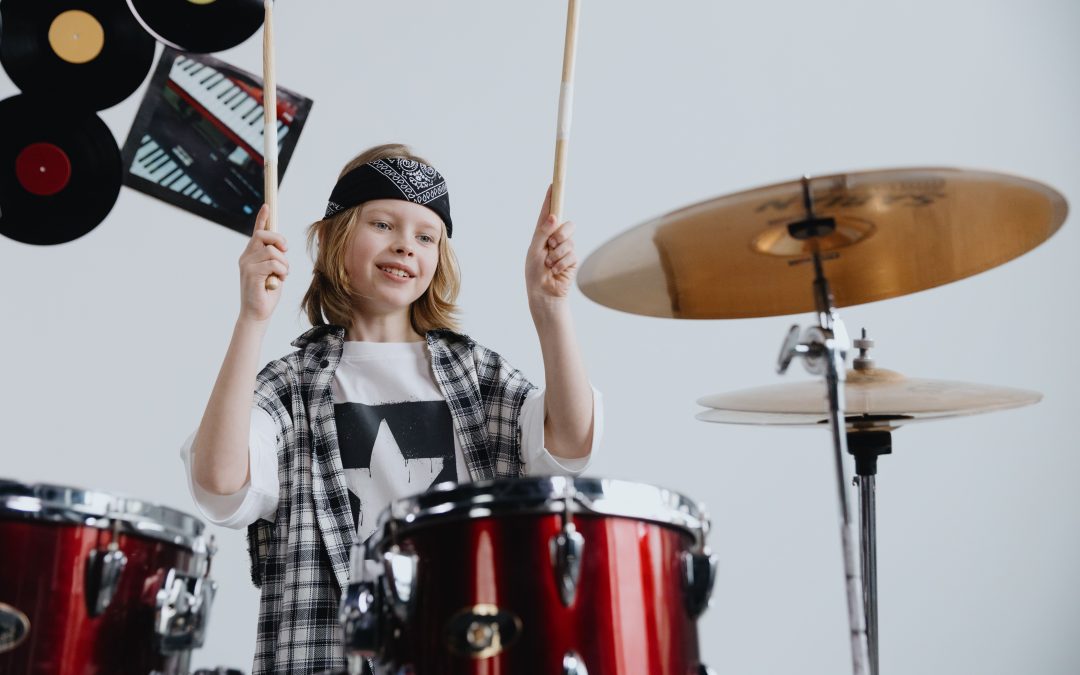
Learning the drums builds fundamental timing skills and sharpens motor control. Correct instruction prevents bad habits from forming early in the development process. Selecting professional training over unguided practice changes how quickly a student reads syncopated notation. This analysis covers the structural benefits of working with a drum specialist.
What Defines an Exceptional Percussion Learning Experience?
Top drum instructors look past basic metronome patterns to implement forward-looking physical strategies. They spot small flaws in stick height before those movements limit overall performance speed. A great teacher outlines clear milestones for home practice routines. They fix hand placement issues immediately so students avoid unnecessary frustration.
Many families treat rhythm practice like an unorganized after-school hobby. They expect students to sit at a drum set without a clear practice log and make consistent progress. A dedicated percussion coach evaluates wrist angles during every single lesson to keep progress moving forward. This proactive oversight creates a highly supportive training partnership. Instructors provide immediate feedback to keep student interest high.
Traditional Grip vs. Matched Grip Mastery
Selecting the correct stick grip forms the foundation of all advanced rudimental speed. Instructors introduce matched grip to beginners because the hands mirror each other naturally. Traditional grip fits students interested in historical marching styles or specific jazz performance setups. Teachers explain the mechanical benefits of both styles during introductory sessions.
A specialist explains how the fulcrum point between the thumb and index finger creates natural stick bounce. Improper grip mechanics cause students to squeeze the wood too tightly. This tension limits rebound control and dampens the acoustic tone of the snare drum. Regular observation verifies that fingers remain relaxed during fast tempos. This mechanical check preserves energy during long performances.
How Professional Drum Instruction Improves Physical Coordination
Individualized percussion lessons isolate muscle movements to build complete body independence. Experienced coaches check that a student can maintain a steady hi-hat pattern while changing bass drum accents. Group classes usually lack the direct oversight needed to catch small timing errors across four limbs. Single-student environments focus entirely on the physical tracking of the individual.
A beginner percussionist faces unique motor challenges when separating left hand actions from right foot actions. If a student attempts to learn complex beats without guidance, they often copy rhythms incorrectly. This lack of precision creates sloppy timing boundaries during live ensemble performances. A specialist guides the student through targeted separation drills to build steady internal time. These exercises train the brain to process multiple rhythms simultaneously.
Overcoming Limb Independence Barriers
Splitting mental focus across four separate physical movements requires deliberate training methods. Instructors break down complex multi-limb patterns into smaller two-limb combinations first. This structural breakdown removes the mental frustration of learning modern drum patterns. Students grasp the timing of intermediate grooves with greater accuracy.
Coaches utilize specific steps to develop total limb control:
- Isolation Exercises: Students practice the bass drum pattern alone to stabilize foot timing.
- Layering Rhythms: Musicians add the ride cymbal pattern once the bass drum stays perfectly steady.
- Polyrhythmic Integration: Advanced players introduce offsetting left-hand snare ghost notes to finish the groove.
Rhythmic Accuracy and Metronome Training Techniques
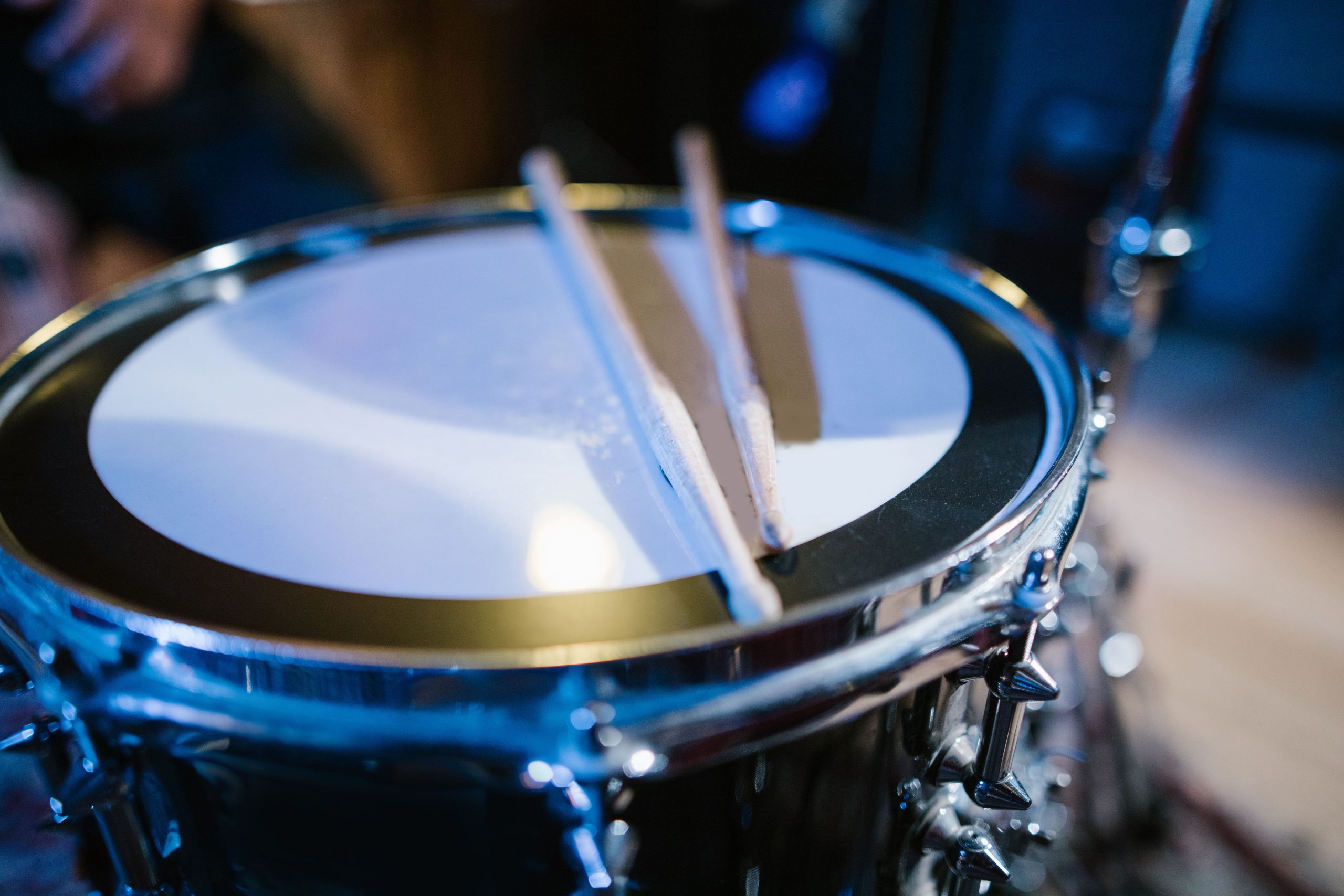
Playing with a metronome develops a reliable internal clock that anchors a whole musical ensemble. Professional drum coaches teach students how to subdivide quarter notes into eighth notes and sixteenth notes mentally. This habit prevents players from rushing during fills or slowing down during choruses. Rhythmic discipline separates amateur players from seasoned studio percussionists.
Unprepared drummers often find clicking tracks frustrating during early practice sessions. A supportive teacher explains how to align stick strikes exactly with the click sound. This alignment develops deep pocket playing that recording studios value highly. Students build the discipline needed to maintain steady tempos across multiple music genres. Consistent use of timekeeping tools removes timing guesswork completely.
Restructuring Home Practice Sessions for Maximum Progress
Consistent home practice habits convert lesson demonstrations into permanent muscle memory. Spending ten minutes on focused technical drills outperforms an hour of unguided, loud jamming. Instructors provide structured practice routines to help families organize daily home sessions. This clear framework removes confusion about what to do during the week.
A standard practice plan includes three balanced components:
- Rudiment Warmups: Players spend five minutes practicing single strokes and paradiddles on a rubber pad.
- Curriculum Assignments: Students dedicate ten minutes to reading new syncopated pages from their instructional book.
- Creative Application: Drummers use the final five minutes to play along with favorite backing tracks.
Preventing Playing Strain and Repetitive Stress Injuries
Correct physical posture protects a drummer from back strain and repetitive stress injuries over long playing sessions. Instructors adjust the throne height so the player’s hips rest slightly higher than their knees. This position allows the feet to move fluidly without straining the lower back muscles. Proper ergonomics keep physical performance comfortable and sustainable.
Many self-taught percussionists sit too low or place their cymbals at awkward angles. Reaching too far for a crash cymbal causes shoulder fatigue and slows down transitions. A professional organizes the layout of the entire kit based on the physical reach of the student. This custom arrangement maintains physical health and improves playing endurance. Safe setup habits allow musicians to practice safely for hours.
Transitioning from Practice Pads to a Full Kit Setup
Beginning on a practice pad allows students to focus entirely on stick control and basic rebound mechanics. Moving to a complete drum kit introduces new acoustic volumes and physical distance challenges. Instructors manage this transition carefully so students do not lose their technical focus. Balanced progression checks that control remains stable across multiple surfaces.
The transition involves managing several drum components:
- Snare Rebound: Students adapt to the natural physical response of a tightly tensioned snare drum head.
- Tom-Tom Placement: Players learn to navigate the wider physical spaces between the high toms and floor toms.
- Pedal Resistance: Drummers adjust their leg strength to match the spring tension of mechanical pedals.
Why Creative Expression Matters in Modern Percussion
High-quality drum lessons balance strict rudimental precision with open opportunities for creative improvisation. Instructors teach students how to build original drum fills using familiar sticking patterns. This training helps drummers contribute unique musical ideas when playing in local bands. Creative liberty keeps everyday routines fresh and engaging.
Rigid training programs that focus only on repetition can make a student feel bored. A true professional encourages players to experiment with volume changes and unique cymbal accents. This freedom transforms basic timekeeping into genuine artistic expression. Students stay motivated because they control the character of the music they create. Personal style develops naturally under careful guidance.
Frequently Asked Questions
What Is the Difference Between Electronic and Acoustic Drum Sets?
Acoustic drums provide natural volume variations and realistic stick rebound. Electronic drum sets allow quiet practice through headphones and offer multiple electronic percussion sound options. Both styles support successful home practice when combined with professional instruction.
How Long Does It Take to Learn Basic Drum Grooves?
Most dedicated beginners learn to play a basic four-beat rock rhythm within their first month of lessons. Consistent weekly lessons and daily practice speed up this timeline significantly. Mastery of complex jazz or Latin syncopation requires several years of focused training.
Why Do Drum Instructors Emphasize Snare Rudiments?
Rudiments act as the fundamental alphabet for all advanced patterns around the drum kit. Mastery of single strokes, double strokes, and flams improves overall stick control and hand speed. These patterns transfer directly to creative fills on the tom-toms.
Is Drum Notation Different from Piano Sheet Music?
Drum notation uses a standard five-line staff but replaces melodic pitches with specific percussion instrument symbols. Notes on the bottom line represent the bass drum, while spaces near the top represent cymbals. This visual layout allows drummers to read complex patterns quickly.
Schedule a Comprehensive Lesson Review for Your Family
Ready to fix your practice habits and build a steady rhythm? Contact The Music Workshop today to schedule your introductory consultation. Our team designs custom instruction plans built around your specific musical goals and favorite styles.