Finding the right format for music education shapes how a student develops skill, confidence, and a lifelong appreciation for the art. Choosing the right training environment determines whether a beginner sticks with an instrument or gives up within the first six months. This comprehensive guide outlines why customized, one-on-one instrumental instruction offers superior advantages compared to large, group-based classes.
What Defines an Exceptional Music Learning Environment?
A top-tier music lesson goes beyond basic note reading to offer forward-looking developmental strategies. Exceptional instructors anticipate the specific technical challenges a student will face before frustration sets in, actively adjusting the material to maintain high engagement. Instead of just reviewing what the student practiced during the previous week, a great teacher helps build smart practicing habits for the future.
Many families treat music lessons like a standard school subject where every student follows an identical timeline. They buy a introductory lesson book, expect the student to practice alone, and hope for smooth progress. An active music advisor operates differently by analyzing physical technique, reviewing weekly execution, and suggesting immediate adjustments to make practicing fluid. This proactive approach separates a basic instructional service from a high-value educational partnership.
Navigating the local educational options requires a sharp eye for instructional quality. The modern extracurricular landscape moves fast, and teaching styles vary across different academies. Families need an instructor who stays ahead of student frustration by recognizing when a book piece fails to motivate. A good professional reads the subtle cues of student fatigue, alters the game plan, and introduces alternative genres to rebuild momentum. They do not wait for a student to check out mentally; they bring creative solutions to the music stand first.
Does One-on-One Instruction Outperform Group Classrooms?
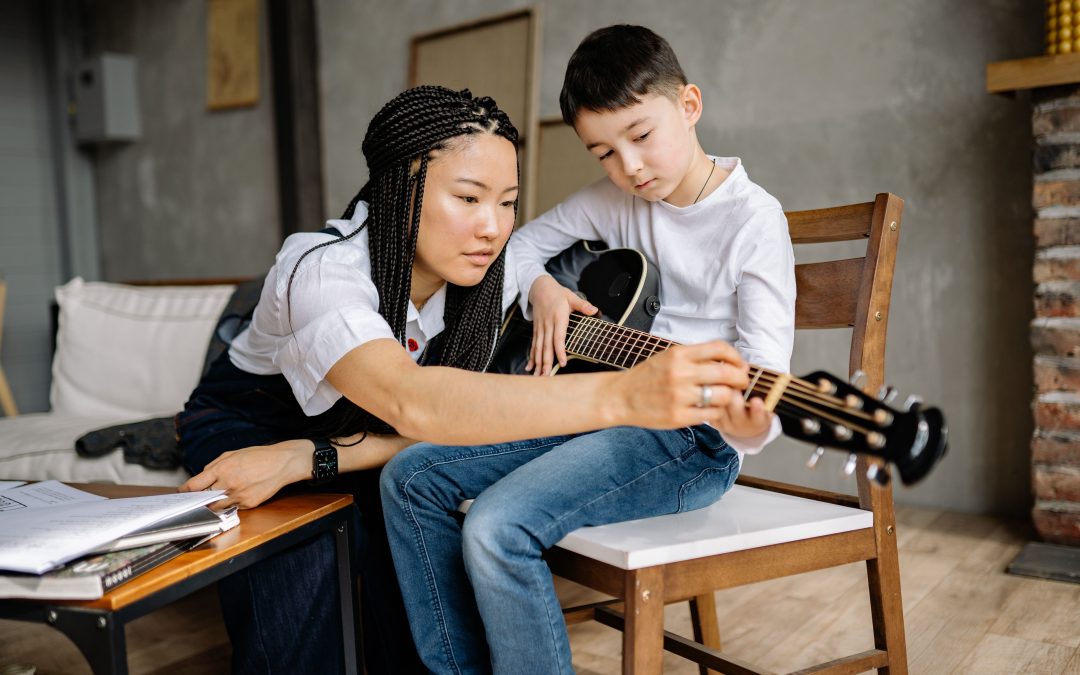
Individualized music instruction creates the ideal foundation for rapid skill building because the teacher isolates mechanical habits in real time. Niche technical expertise prevents beginners from developing poor hand positions that cause long-term playing pain. General group classes often miss these highly specific physical details, leaving students to struggle with poor mechanics that limit their ultimate potential.
For example, a beginner piano student deals with completely different structural hand requirements than a student learning the violin or acoustic guitar. If a child takes a large keyboard class, the teacher cannot monitor every single wrist position simultaneously. This lack of scrutiny allows poor habits, like flat fingers or dropped wrists, to take root quickly. If an instructor does not actively correct these foundational movements during every single session, the student loses the ability to play fast, advanced pieces later.
If a student learns drums, the teacher must observe stick grip and rebound control closely. When choosing an academy, ask the administration about their specific lesson formats. Do they bundle multiple instruments together, or do they prioritize dedicated single-student rooms? Individualized attention means the professional spends less time managing classroom behavior and more time refining the specific musical approach of your child.
Are Private Lessons Offering Accelerated Goal Accomplishment?
Dedicated single-student lessons mean the instructor reviews physical execution continuously to make time-sensitive structural adjustments. Waiting for a group class to catch up means advanced students face boredom while struggling students feel left behind. This focused oversight forms the core of high-level instrument training. When an instructor regularly checks the student’s tone production, the learner faces zero technical hurdles during recitals.
A private music instructor helps students manage three key areas of growth throughout the year:
- Custom Repertoire Selection: If a student shows high interest in film scores or popular radio hits, the instructor introduces specialized arrangements immediately. Utilizing custom pieces keeps motivation high while introducing core music theory concepts naturally.
- Targeted Technique Drills: Isolating specific physical blocks allows the student to alter bad habits before they impact performance fluidity.
- Pacing Adjustments: Moving through instructional books at a personalized speed means students can spend three weeks on a tough rhythm or skip past easy concepts in a single day.
Continuous oversight prevents practicing panic at home. Students know exactly how to fix mistakes because the teacher demonstrated the specific correction during the weekly meeting. This steady approach prevents creative burnout, giving young musicians the confidence to tackle challenging audition pieces or prepare for solo stage performances without facing hidden mechanical roadblocks.
How Proactive Communication Shapes Student Progression?
A premier music teacher reaches out to parents with direct feedback after every session and answers stylistic questions within a reasonable timeframe. Clear, jargon-free communication checks that the student practices the correct sections at home. During busy seasonal recital months, administrative schedules often become crowded. A high-quality academy builds communication systems to keep families informed regardless of the dates on the calendar.
Instructors pass along weekly lesson notes detailing specific assignments, technical focus areas, and practice benchmarks. They explain complex music theory concepts in plain English. If a parent asks a question about syncopated rhythms or key signatures, the teacher provides a clear, easy-to-understand answer instead of using dense academic terminology. Clear communication builds strong structural support between the studio and the home.
When parents know the music teacher pays close attention to small details, they can encourage specific practice targets at home. Families never have to guess whether a child practices the right song or uses the proper fingerings. This transparency provides absolute confidence that the student manages practice time wisely and avoids repetitive mistakes.
Can Customized Instruction Address Distinct Learning Needs?
Navigating early developmental milestones requires an educational approach that respects diverse learning styles, attention spans, and physical capabilities. This specific adaptation prevents students from feeling overwhelmed by rigid curriculum timelines. Children possess varying levels of fine motor skills, meaning two peers of the exact same age might require completely different physical approaches to hold a bow or press a guitar string.
Some children struggle with standard visual sheet music but excel when learning melodies by ear. An exceptional private instructor recognizes these individual strengths instantly and builds an instructional path around them. If a student shows intense frustration with sight-reading, the teacher alters the balance by introducing ear training and basic improvisation exercises. This flexibility keeps the joy of music alive while building the exact same cognitive benefits as traditional reading methods.
Ignorance of a student’s emotional or physical limits can cause a total rejection of the instrument. Having an adaptive expert manage the educational pace protects the investment families make in quality instruments and regular tuition. Personalized structure ensures that every student builds a positive relationship with music that lasts into adulthood.
Do Regular Lessons Build Measurable Cognitive Capabilities?

A structured music education acts as a rigorous workout for the brain, enhancing spatial-temporal skills and multi-step cognitive problem solving. The physical act of reading notation while moving independent fingers requires high-level neurological processing. Private lessons maximize these mental benefits by pushing the student to solve complex structural challenges during every minute of the session.
Medical and psychological research continuously highlights how active music-making lowers stress, builds focus, and improves academic performance in young children. When a student deciphers a complex musical staff, they practice the exact same mental decoding systems required for advanced mathematics and language arts. This continuous mental tracking builds high levels of self-discipline that transfer directly into daily school routines.
Proper single-student coaching means the teacher introduces these cognitive challenges at the exact moment the student remains ready to absorb them. General group programs often present concepts too early or too late, diluting the intellectual impact of the training. Working with a dedicated specialist ensures the brain receives the optimal amount of stimulation to build lasting intellectual capacity.
Will One-on-One Training Prevent Performance Anxiety?
Dedicated individual coaching means the instructor acts as a supportive guide, helping the student navigate performance anxiety long before stepping onto a public stage. Standing in front of an audience requires a specific kind of courage that goes beyond just memorizing the notes on a page. An excellent music teacher builds this confidence gradually by creating low-pressure performance opportunities during regular lessons.
They know exactly when a piece reaches complete technical security, protecting the student from entering a recital unprepared. They teach specific mental focus exercises, breathing techniques, and recovery strategies for handling missed notes gracefully. This specialized preparation prevents the scope of performance fear from expanding into general stage fright.
Knowing your instructor provides full personal support during preparation provides immense relief to young performers. If a teacher guided the preparation of every single bar, they remain fully equipped to help the student conquer specific panic points. They manage the stress of public performance by breaking the experience down into predictable, manageable steps so students can enjoy the stage without distraction.
How Does Modern Studio Technology Improve Practice Outcomes?
Modern music academies use secure, digital tracking tools to protect student assignments and enhance practice efficiency at home. Up-to-date technology allows for seamless media sharing, professional audio recording, and real-time review of student progress. Reputable music institutions invest heavily in modern studio tools to give students clear insights into their playing technique.
Firms utilize multiple tech tools to manage student progress:
- Secure Parent Portals: Families log in to view weekly teacher notes, verify practice timers, and track upcoming performance schedules securely.
- Digital Audio Recording: High-resolution recording software allows students to listen back to their performance, reducing timing errors instantly.
- Interactive Backing Tracks: Practicing with professional accompaniment tracks keeps home sessions exciting while building rock-solid rhythmic stability.
This modern infrastructure allows families to make fast, data-driven decisions about practice habits. Integrating smart recording tools directly with the teacher’s weekly plan checks that home practice relies on accurate acoustic feedback.
Why Is Creative Self-Expression an Essential Educational Goal?
Artistic instruction must balance technical perfection with opportunities for genuine emotional expression and creative discovery. Integrity remains vital because overly rigid training methods can strip the soul out of music, leaving students feeling robotic. Some instructional programs focus exclusively on strict classical examinations, ignoring what the student actually wants to play. That approach risks killing the passion for the art entirely.
A true professional guides the student to find their unique musical voice within the boundaries of proper technique. They find legal ways to modify classical styles, introducing chord charts and songwriting basics alongside traditional scales. They protect students from making reckless technical choices while encouraging them to experiment with dynamics, phrasing, and original compositions.
When families invest in high-quality instrumental lessons, they buy personal growth. You need to know that the training fosters a deep, meaningful connection to art. A good music consultant balances intense technical drill with creative freedom, keeping the learning process exciting and keeping the student fully motivated.
Frequently Asked Questions
What Is the Ideal Age for a Child to Start Private Music Lessons?
Most children find success starting formal individual instruction between five and seven years old, depending on the chosen instrument. Piano and violin can accommodate younger beginners due to smaller physical size requirements, while woodwinds and brass typically require greater lung capacity and physical growth.
How Often Should a Beginner Student Practice at Home Each Week?
Beginners achieve the most consistent progress by practicing fifteen to twenty minutes daily, at least five days a week. Short, focused daily sessions outperform a single long practice block right before the lesson because the brain requires regular repetition to build physical muscle memory.
Can Adults Start Learning an Instrument Without Prior Musical Background?
Adults can successfully learn an instrument at any age, often progressing faster than young children due to superior conceptual understanding and focused attention spans. Modern adult lessons focus on immediate practical application, allowing older learners to play favorite styles quickly while avoiding childlike beginner books.
How Do Parents Choose Between Renting or Buying a Beginner Instrument?
Renting provides an affordable, low-risk entry point for families testing a child’s long-term commitment to a larger instrument like a cello, saxophone, or drum set. Buying makes financial sense once a student demonstrates consistent interest for more than six months or when purchasing foundational instruments like keyboards.
Schedule a Comprehensive Strategy Session for Your Family
Ready to discover the perfect instructional path and help your child build a lifelong love for playing? Contact The Music Workshop today to schedule your introductory consultation and studio tour. Our team designs personalized lesson plans built completely around your musical goals, favorite styles, and personal learning needs.